
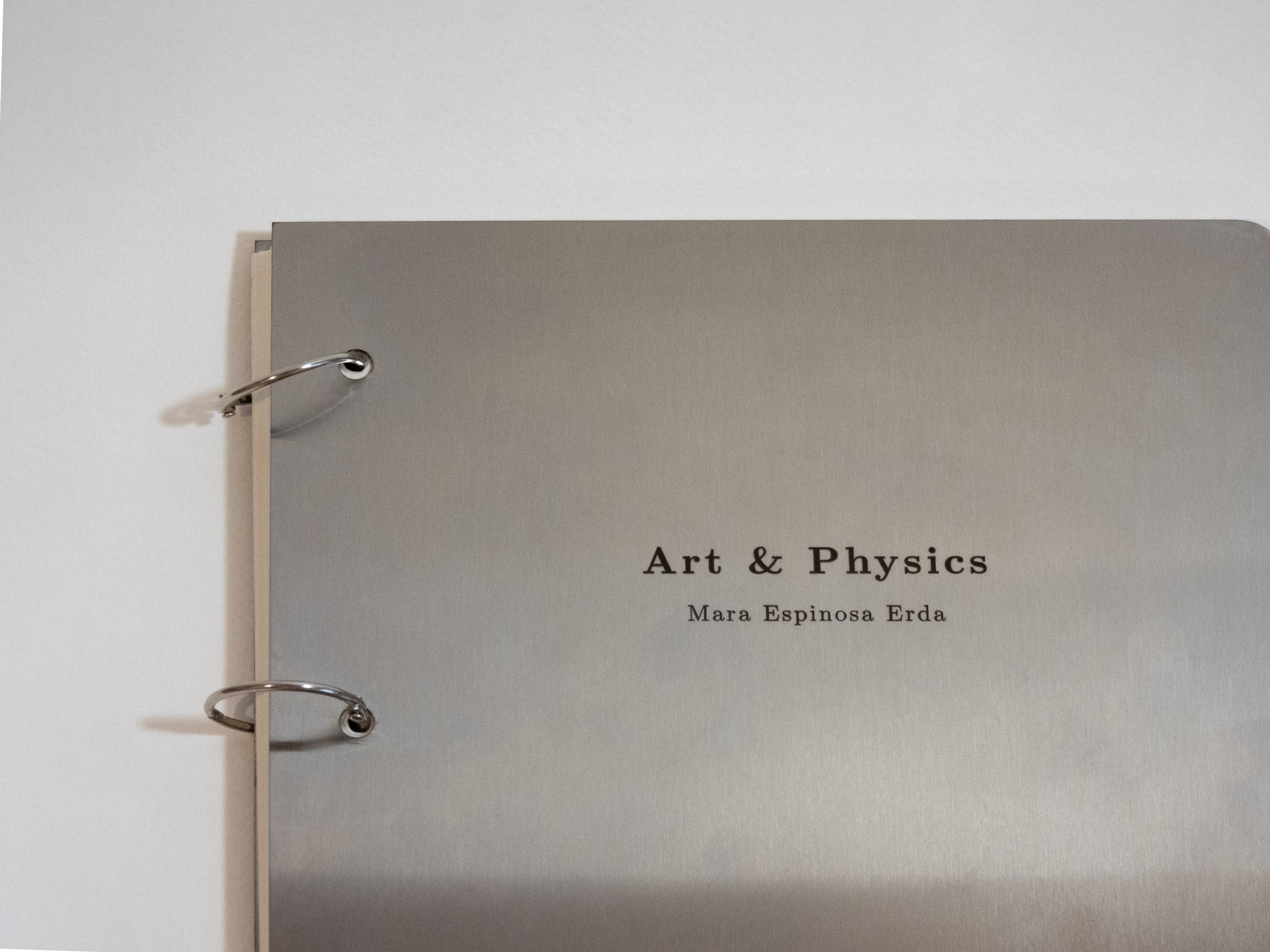
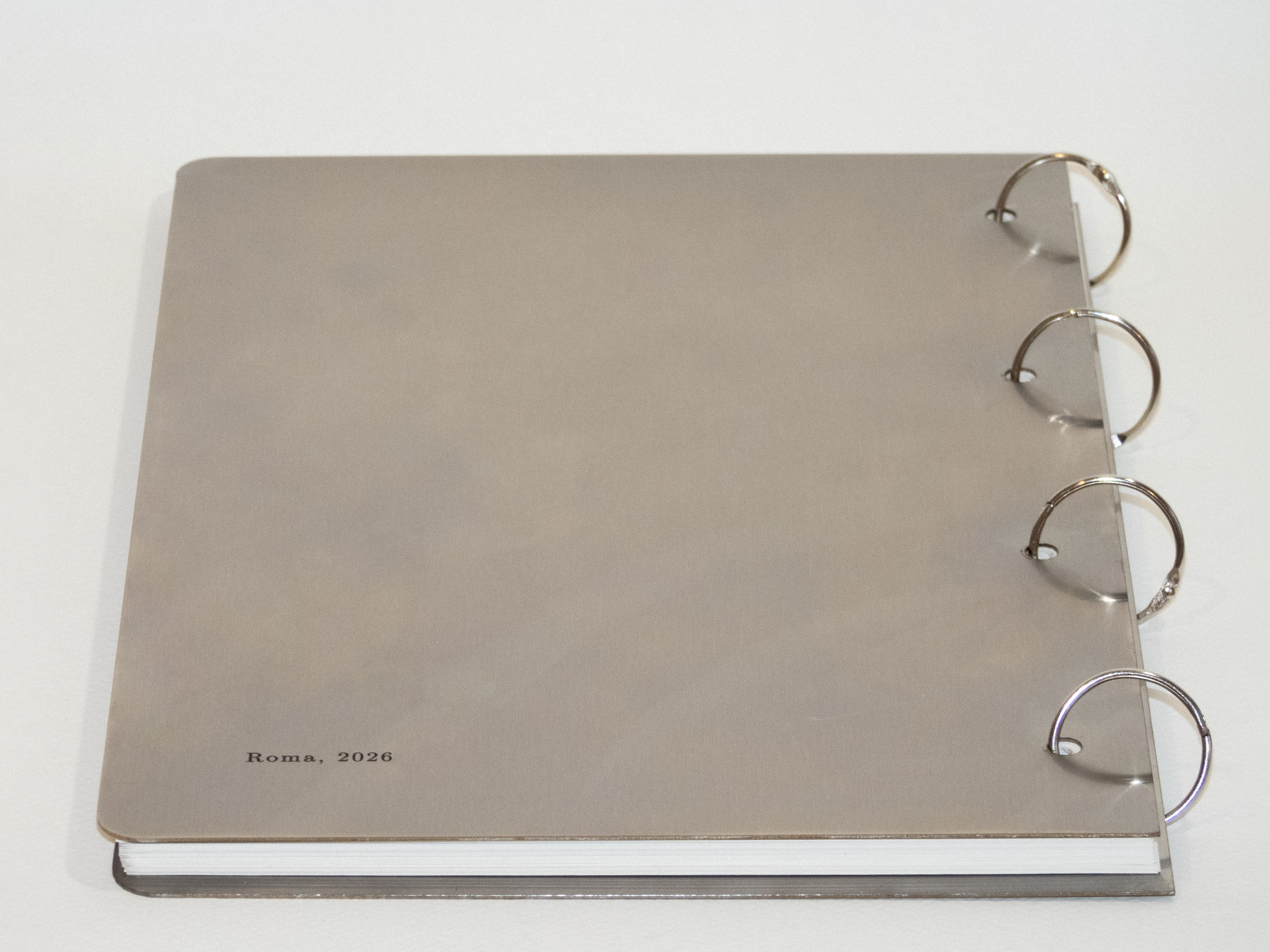
Thesis, 2026 | Engraved metal cover, 100 pages
Art as an Epistemic Bridge: Contemporary Visual Arts and the Counterintuitive Realities of Modern Physics, 2026
This thesis investigates contemporary visual art as a perceptual and epistemic* bridge to the counterintuitive* structures of modern physics. It examines the profound cognitive gap that has emerged between human intuition, evolutionarily specialized for a three-dimensional, classical world, and the “hidden architectures” revealed by relativity, quantum mechanics, and informational* worldviews.
Drawing on philosophical frameworks ranging from Plato’s “cave” to Deleuze and Guattari’s “percepts and affects,” this research argues that art functions as an autonomous mode of knowledge rather than a mere illustration of scientific data.
By materializing abstract physical concepts into sensory encounters, artistic practice provides a vital mediator to counter the crisis of scientific hyper-specialization and cultural alienation.
Through the analysis of diverse case studies and institutional collaborations, the study demonstrates how art acts as a “sensory anchor” for realities that remain fundamentally unobservable to the unaided senses.
The investigation concludes by synthesizing these theoretical and artistic inquiries through the author’s own practice and personal reflections on the evolving interface between art and science.
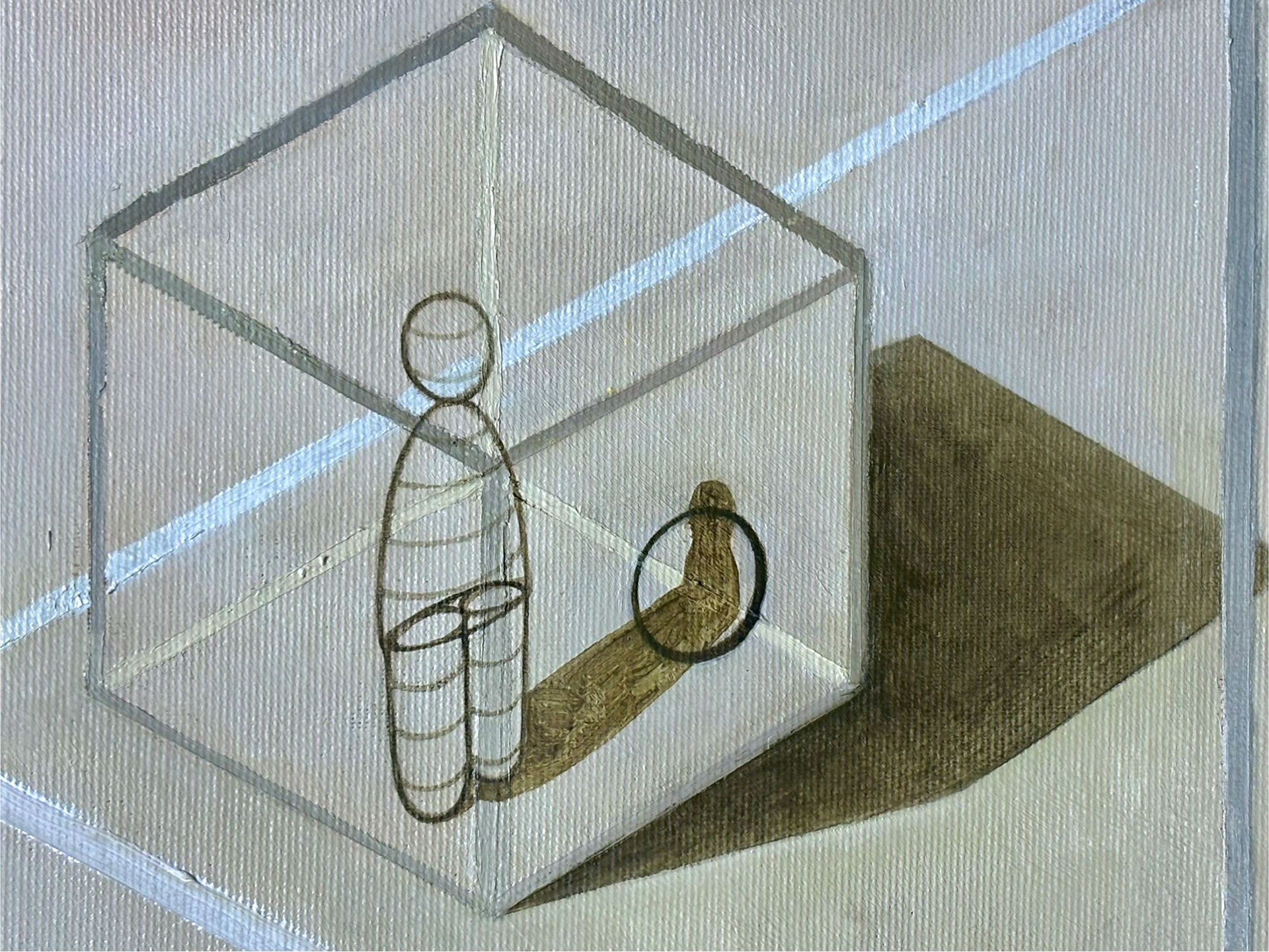
Prompting Reality, 2025
A metaphorical exploration of AI, quantum superposition, and perception.
What if artificial intelligence mirrors the universe more closely than we think?
This essay weaves together quantum physics and generative systems, proposing that prompting in AI is not unlike the observer effect in quantum mechanics, collapsing infinite possibilities into singular realities.
Written as a speculative investigation into consciousness, potentiality, and the limits of perception.
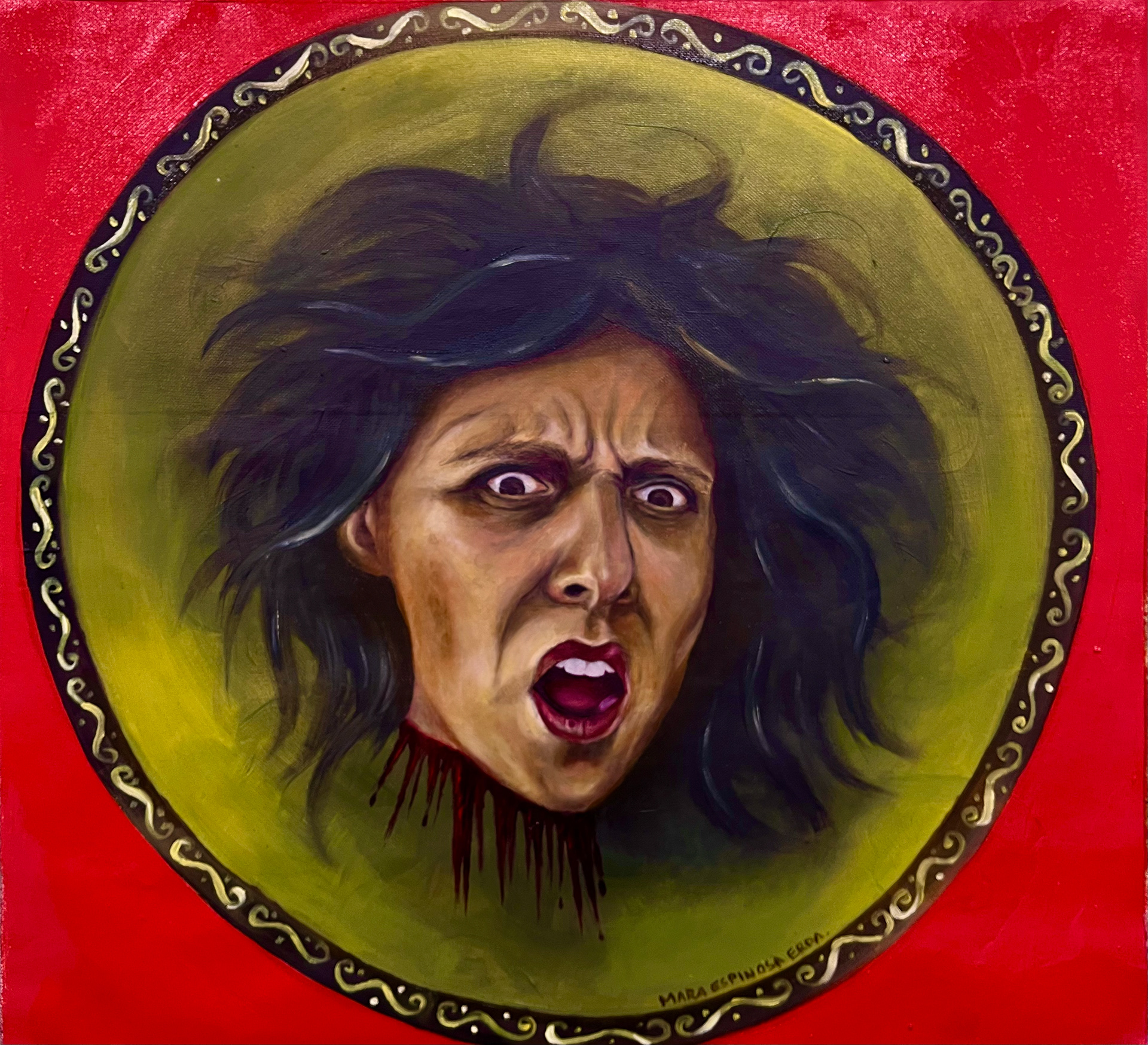
El Ocaso de las Bellas Artes, 2018
Sobre la pérdida del valor estético frente al auge del arte conceptual
¿Qué pasa cuando la estética ya no basta?
Este ensayo expone una crítica personal a la desaparición de la belleza como pilar en el arte contemporáneo. A través de referencias personales (como el trabajo cerámico de su madre), citas de Avelina Lesper, y ejemplos como Duchamp, Prieto o Liu Jianhua, el texto analiza cómo el concepto y el contexto han desplazado la obra misma, debilitando la experiencia estética y protegiendo piezas vacías bajo discursos curatoriales complejos.
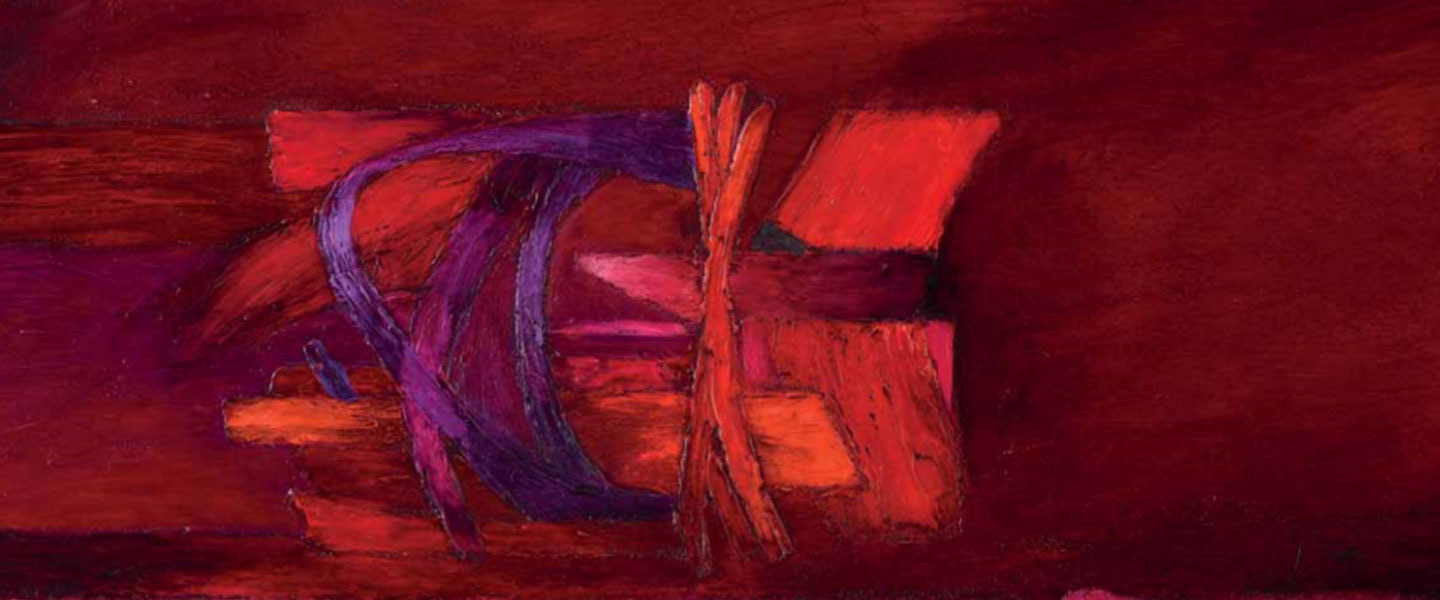
The Impact of European Modernism in Peruvian Art Through Fernando de Szyszlo, 2024
An exploration of identity, memory, and transcultural abstraction
In this essay is examined how Fernando de Szyszlo forged a powerful synthesis between European modernist movements and the spiritual depth of Andean cosmology. As a Peruvian artist educated in Paris and Florence, Szyszlo absorbed the language of abstraction, surrealism, and cubism, not to replicate it, but to reinterpret it through the lens of his homeland.
Through close analysis of paintings like Cajamarca and Trashumante, the essay reflects on how Szyszlo’s work became a vessel for memory and myth, evoking collective trauma, cultural identity, and the tension between Western aesthetics and indigenous symbology.